Full-Stack Web Development
Full-stack web developer for products that need to ship
I build web platforms end-to-end: the database, the API, the admin dashboard and the customer-facing app — designed as one system and deployed to production. Most projects ship with me as the primary or sole engineer, working directly with founders without agency hand-offs.
01 — Proven in production
Real client outcomes
Direct Transport Solutions (Australia)
Sole engineer for the Admin Portal, Customer Portal and real-time WebSocket fleet tracking backend on PostgreSQL & Supabase.
NodusTickets
Designed an Ed25519 cryptographically signed QR ticketing platform with SHA-256 hash chaining on a Fastify backend.
Simply Trees & Ferrati Sports
Built custom compliance filtering, React design studios with Algolia search, and automated order pipelines.
02 — Scope & capabilities
What you get
- SaaS platforms, customer portals and internal admin dashboards
- Marketing sites and e-commerce stores built for speed and technical SEO
- REST and GraphQL APIs, authentication and role-based access control
- Database design with PostgreSQL / Supabase and Row-Level Security (RLS)
- Real-time features (live GPS tracking, chat, notifications) over WebSockets
- Cryptographic verification, payment flows (Stripe) and third-party webhooks
03 — Engineering workflow
How we ship it
- Step 01
Architecture & Data Modeling
We map out your PostgreSQL schema, role-based access rules (RLS), API contracts, and edge cases before writing UI code.
- Step 02
Vertical Slice Delivery
You get a live staging URL in the first week. Features ship end-to-end (database → API → UI) in weekly milestones.
- Step 03
Performance, Security & SEO
Server-side rendering, Core Web Vitals tuning, rate limiting, and tenant isolation checks come baked into the build.
- Step 04
Production Launch & Handover
Zero-downtime CI/CD deployment to Vercel or AWS, complete source ownership in your GitHub, and clear runbooks.
04 — Case studies
Real projects
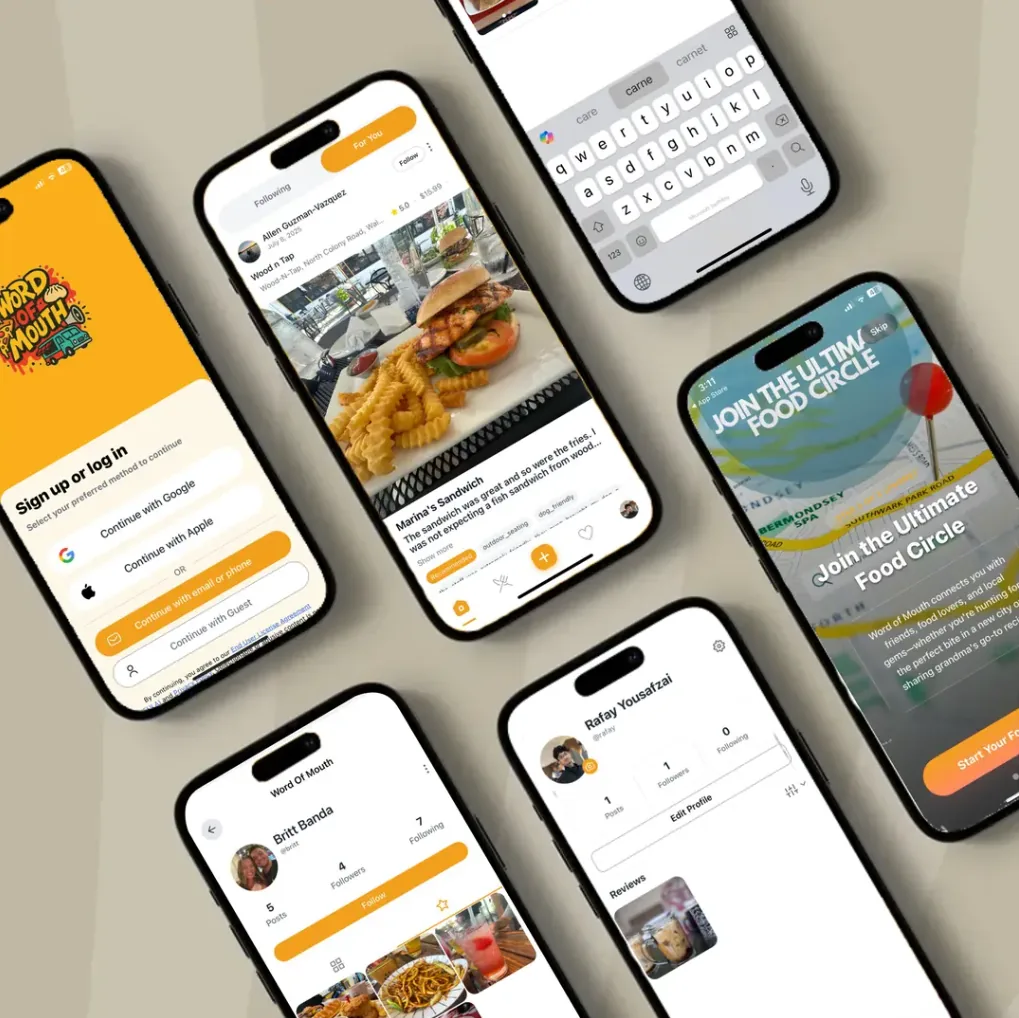
Word of Mouth
Cross-Platform Social Food Discovery App
Launched a cross-platform iOS and Android food discovery app with React Native, Next.js, and Supabase featuring a personalized feed and admin portal.
Read the case study
E-Commerce Discovery
React Design Studio & Algolia Search
Delivered sub-second product discovery and smooth apparel customization using React, Algolia, Google Tag Manager, and AWS cloud infrastructure.
Read the case study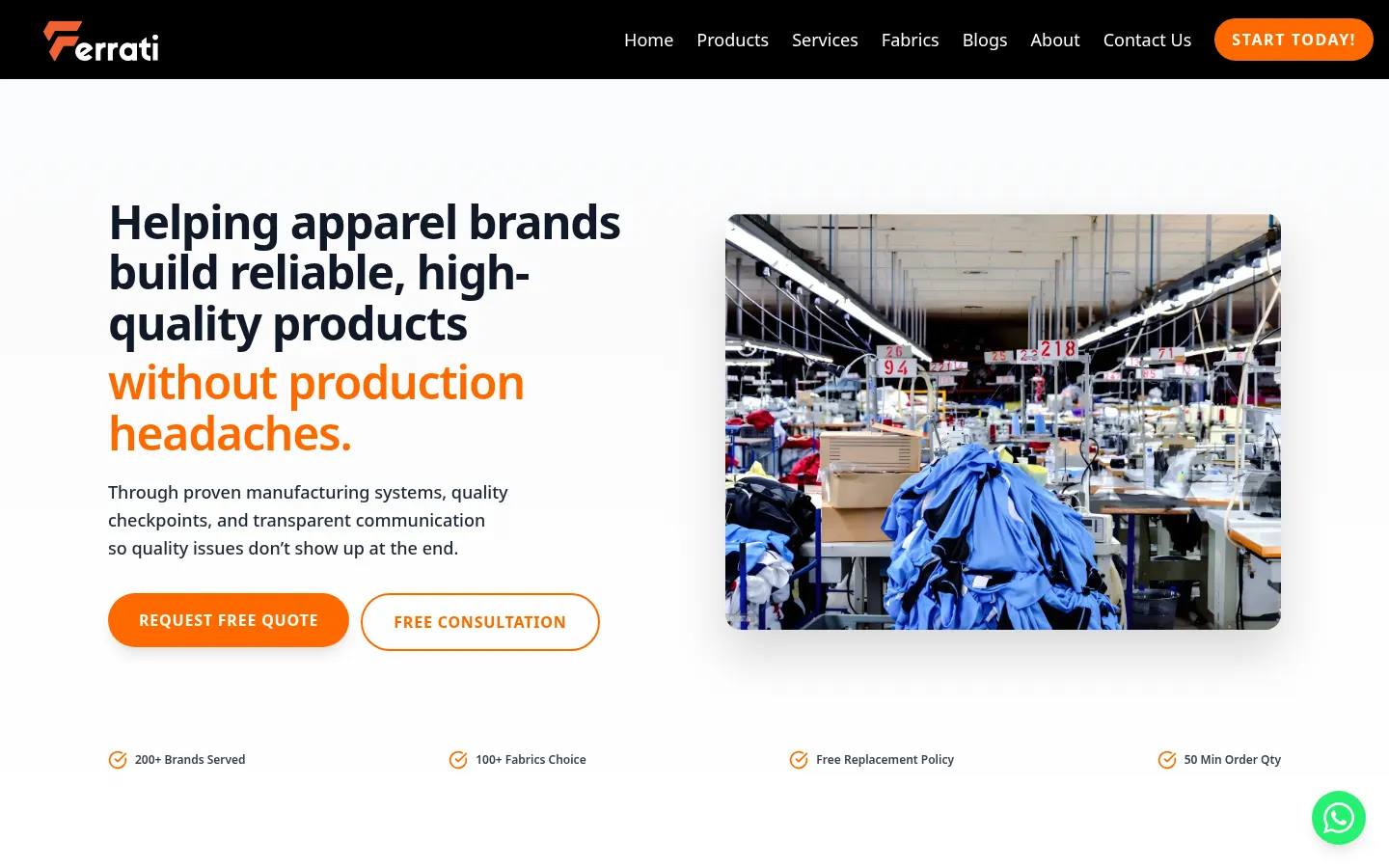
Ferrati Sports
B2B E-Commerce & AI Order Automation
Delivered an SEO-optimized Next.js B2B e-commerce platform with smart catalog filtering and AI-automated order inquiries for global manufacturing.
Read the case study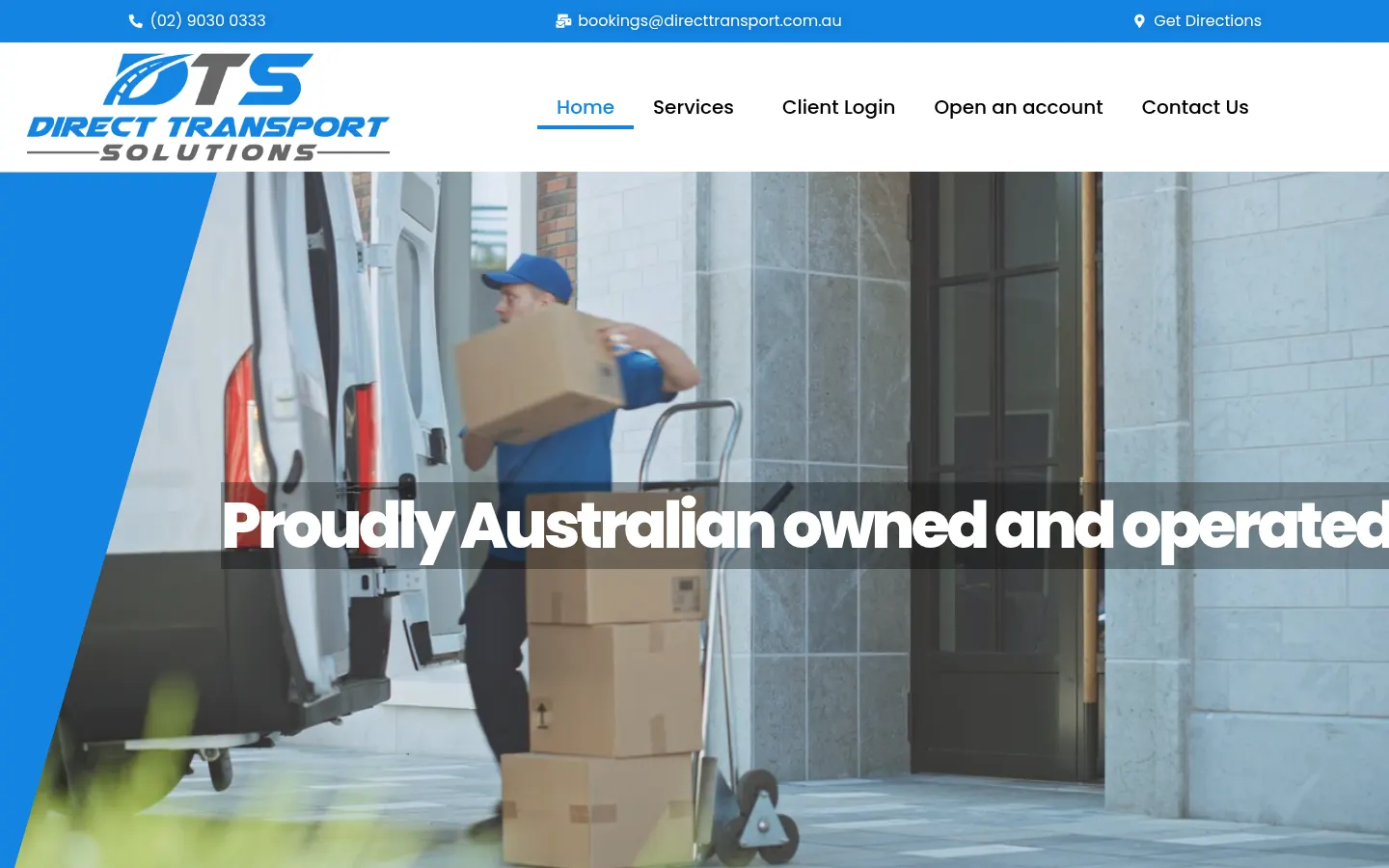
Direct Transport Solutions
90% Automated Logistics Platform
Replaced a 90% manual logistics workflow with one platform: admin portal, customer portal and a React Native driver app with live GPS tracking.
Read the case study05 — Technical architecture
Engineering deep-dives
How to Build an Offline-First Cryptographic QR Ticket Validator with Ed25519, Hash Chaining & Fastify
How I architected NodusTickets: an offline-first SaaS ticket validation platform using Ed25519 signatures, SHA-256 hash chaining, and Fastify to stop QR ticket fraud without internet.
Architecting Real-Time Fleet & Driver GPS Tracking with React Native, WebSockets & Supabase RLS
Lessons from building Direct Transport Solutions' logistics platform as sole engineer: React Native driver telemetry, WebSockets, PostgreSQL & Supabase RLS.
06 — FAQ
Full-Stack Web Development: questions
What kind of web apps do you build?
SaaS products, multi-tenant customer and admin portals, logistics dashboards, marketplaces, e-commerce stores and high-converting marketing sites — anything that needs a real backend, not just a static template.
Which framework and database stack do you use?
Next.js (App Router) with React and TypeScript on the front end, backed by Node.js (Fastify or Express) and PostgreSQL or Supabase. The architecture follows the product's requirements, not hype.
Can you take over or rescue an existing Next.js / React codebase?
Yes. Many clients bring me in to audit an existing repo, fix database bottlenecks or broken authentication, improve Core Web Vitals, and ship stalled features.
Who owns the source code and infrastructure?
You do, 100%. Everything is committed directly to your organization's GitHub repository and deployed under your own cloud/Vercel/Supabase accounts from day one.
Will the site be SEO-friendly and fast?
Yes. I use server rendering, optimized images, semantic HTML and structured data (JSON-LD) by default, and verify Core Web Vitals before launch.
Other services
→ — What's next
Got an idea?
Let's ship it.
Tell me what you're building. No sales team, no hand-offs — just the engineer who'll build it.
 Rafay KhanYou'll talk to me directly